
Recumbent Bike
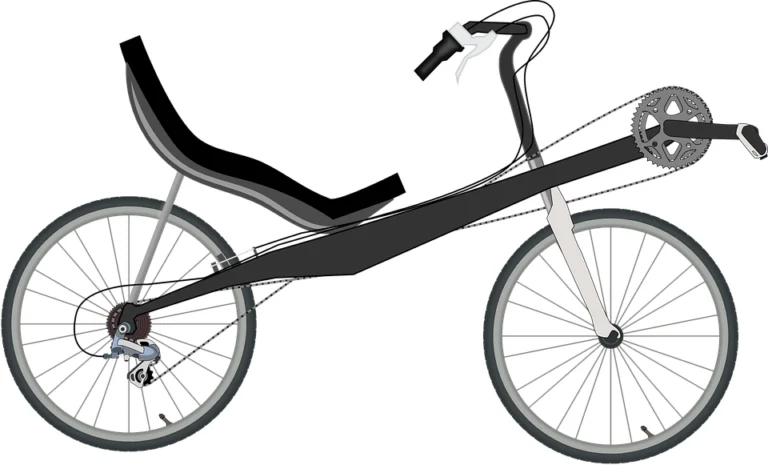
Types of Recumbent Bikes and How to Choose
Recumbent bike designs vary widely. This guide outlines all of the different types of recumbent bikes available to help you choose the best one for your style of riding. In this guide, I explain the benefits and drawbacks of long wheelbase vs short wheelbase recumbents as well as under seat steering vs over seat steering. I also talk about direct vs indirect steering, front vs rear wheel drive, tadpole and delta recumbent trikes, tandem recumbents, and recumbent mountain bikes. In addition, I’ll outline some different recumbent components including seat types, wheel size, suspension, fairings, and more.
Recumbent bikes are comfortable, aerodynamically efficient, safe, and easy on the knees. I started riding recumbent bicycles about 6 years ago. So far, I’ve put in around 6,000 miles on recumbents. During that time, I have experimented with a number of different recumbent bike designs. In this guide, I’ll share my experience.
What is a Recumbent Bike?
A recumbent bicycle places the rider in a leaned back riding position. Almost like sitting in a recliner. The legs stretch out in front of the rider to pedal. The handlebars sit either above the lap or on the sides next to the lap. The rider sits horizontally rather than vertically as they would on a traditional bicycle
This ergonomic seating position improves comfort by distributing the rider’s weight over a larger area. It also takes the bodyweight off of the arms and hands. Many recumbent riders find this position to be easier on the sit bones, arms, and knees. The wide, cushioned seat provides support for the neck, back, and butt.
Recumbent bikes also offer superior aerodynamics compared to upright bikes. Because the rider leans back with their legs out in front of them, there is a much smaller front profile. This reduces drag considerably, which improves efficiency.
Table of Contents
Fixed-Gear Bicycle
Bike Specification