
Penny-Farthing Bicycle
2025-03-27
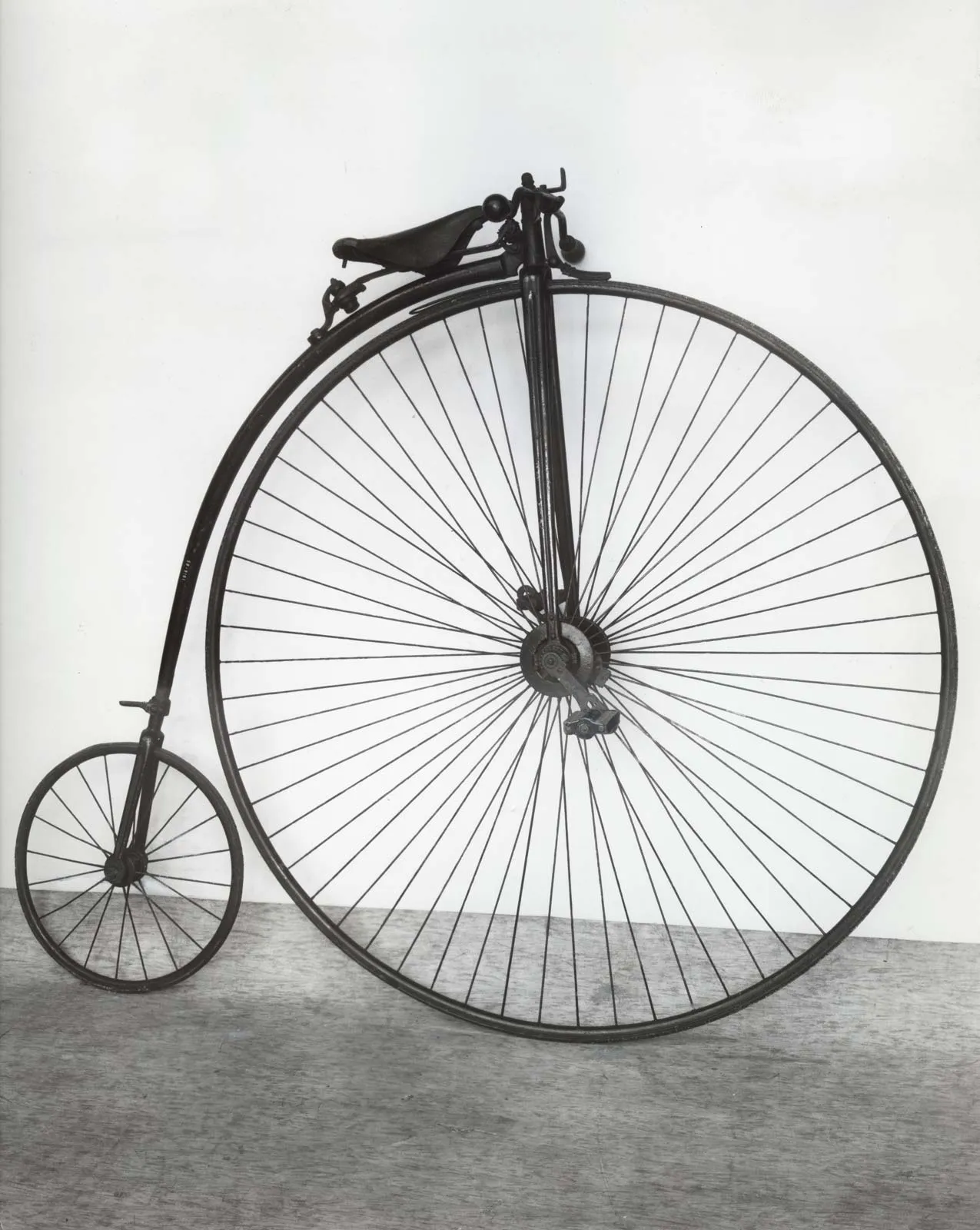
Penny-Farthing Bicycle
The "Penny-Farthing" bicycle, also known as the "penny farthing" or "high wheel bicycle", was a popular bicycle design in the late 19th century. Here is an introduction to it:
- Basic Structure: The front wheel is huge, while the rear wheel is very small. The diameter of the front wheel is usually between 1.5 meters and 1.8 meters, and in some cases, it can even reach 2 meters, whereas the diameter of the rear wheel is relatively small. The pedals are directly mounted on the front wheel. There is no drive chain, no brakes, and no transmission. The rider sits high above the front wheel and propels the bicycle forward by turning the front wheel.
- Development History: In 1860, the French engineer Pierre Michaux and his son Eugène Michaux attached pedals to the front wheel. This new type of bicycle was called the "Velocipede" and became a pioneer of early bicycles. In 1870, the "Penny-Farthing" bicycle began to gain popularity and was a common means of transportation and a recreational tool at that time. In 1885, John Kemp Starley designed and manufactured the "Rover Safety Bicycle", marking the formation of the basic style of modern bicycles. Gradually, the "Penny-Farthing" bicycle was phased out.

- Advantages and Disadvantages
- Advantages: Due to the large diameter of the front wheel, the distance that the front wheel rotates with each pedal stroke is relatively large. Without a gear shift, the rider can achieve a relatively high speed. Moreover, the large wheel can more easily cross small obstacles and uneven ground, improving the smoothness of the ride.
- Disadvantages: With a high center of gravity and a large front wheel, it is easy to tip forward when braking suddenly or hitting an obstacle, and the rider is at a greater risk of falling and getting injured. At the same time, the large front wheel makes steering inflexible, and it is difficult to control when making sharp turns. In addition, the design of this bicycle does not conform to ergonomics, and long rides can cause significant fatigue.
- Cultural Significance: The "Penny-Farthing" bicycle is one of the symbols of the Victorian era in the 19th century, representing the technological progress of that era and people's spirit of exploration of new things. Now, it appears more often in vintage cycling events, bicycle museums, or collection exhibitions, and has become a cultural symbol and historical heritage.
From boneshakers to bicycles
Invitation Letter--China International Shanghai Bicycle Fair on May 5th, 2025