
The Importance of MTB Discs
2025-03-31
The Importance of MTB Discs
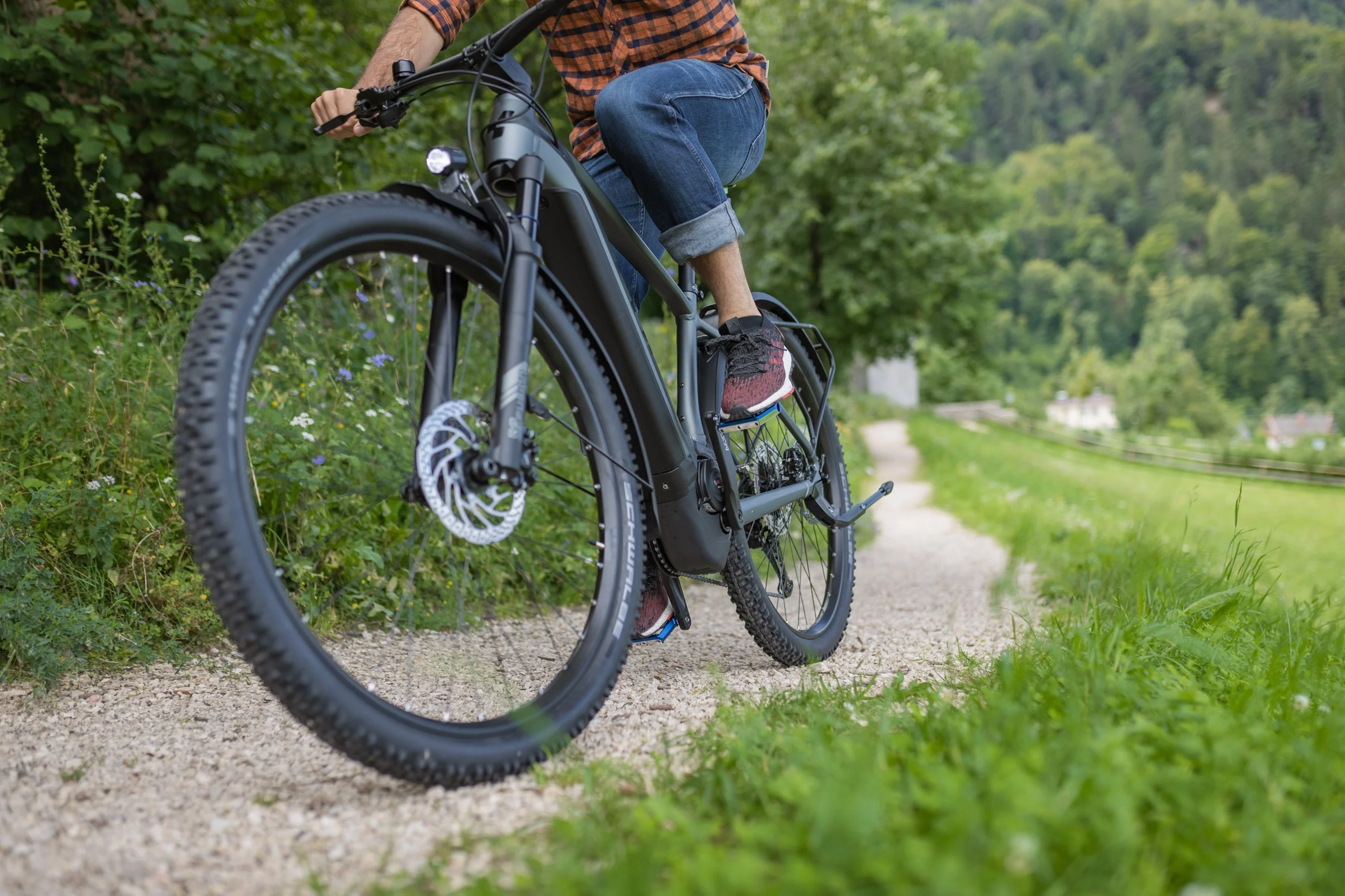
MTB discs occupy an irreplaceable key position in the braking system of mountain bikes. Their importance runs through all aspects of mountain biking, mainly reflected in the following aspects:
1. **Provide powerful and efficient braking force**
The disc is the core component of the disc brake system. When the rider pulls the brake handle, the brake caliper will clamp the disc tightly with strong pressure under the action of hydraulic or mechanical devices. At this time, huge friction is instantly generated between the disc and the caliper, and the friction is quickly converted into braking force to prevent the wheel from turning. When riding in the mountains, the road conditions are complex and changeable, and steep slopes and sharp turns are common. With its own characteristics, the disc can provide extremely strong and stable braking force, allowing riders to slow down in time when rushing up the slope at high speed to avoid losing control due to excessive speed. It can also achieve effective braking on slippery and muddy roads even if the wheel adhesion is reduced, thereby ensuring riding safety. For example, in a mountain downhill race, the rider rushes down a steep hill at high speed, with a speed of tens of kilometers per hour. At this time, the powerful braking force of the disc allows the rider to quickly reduce the speed to a controllable range before entering the curve and pass the curve smoothly.
2. **Achieve precise and delicate braking control**
The disc can help the rider achieve precise braking operations. In mountain riding, the rider needs to accurately control the braking force according to the actual road conditions and their own riding status. The disc is equipped with a carefully adjusted brake system to achieve progressive braking. When the rider lightly squeezes the brake handle, the friction between the disc and the caliper gradually increases, and the speed drops smoothly; when encountering an emergency, the disc can instantly provide the maximum braking force when the brake handle is squeezed with all its strength. This precise and predictable braking effect allows riders to avoid obstacles in narrow mountain trails and adjust speed in complex terrain with ease, greatly improving the controllability and safety of riding. For example, when crossing a forest trail full of gravel and tree roots, the rider can use the disc's precise braking to pass at just the right speed and avoid collisions with obstacles by delicately controlling the brakes.
3. **Excellent heat dissipation performance**
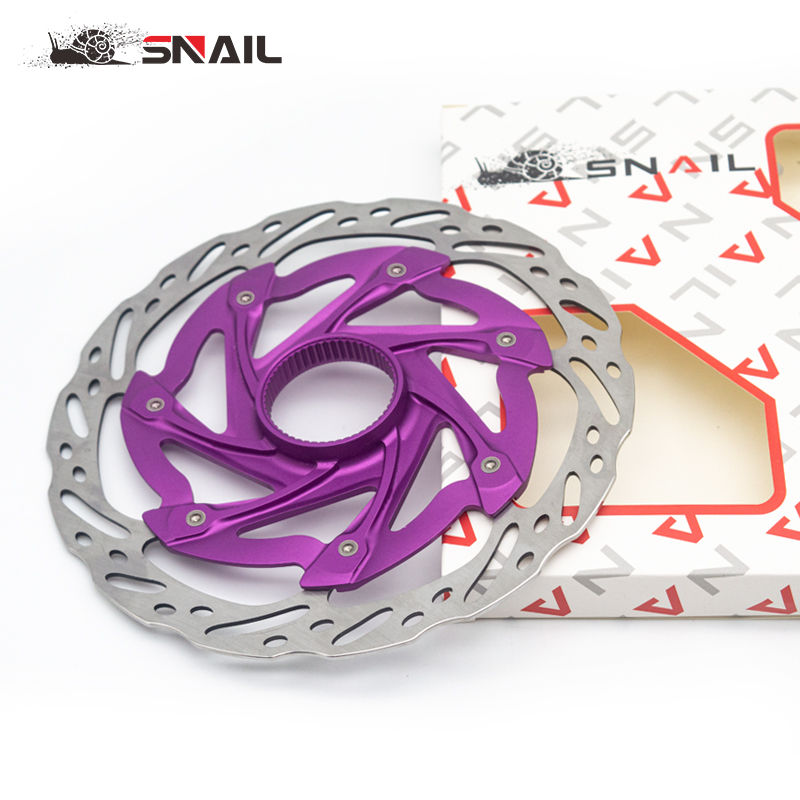
During mountain biking, frequent use of the brakes is the norm. Every time you brake, the friction between the disc and the caliper will generate a lot of heat. If the heat cannot be dissipated in time, the disc temperature will continue to rise, which will cause the braking performance to decline, the so-called "thermal decay" phenomenon. High-quality discs take full account of the heat dissipation needs in design and material selection, and usually adopt special shape structures, such as ventilation slots or heat dissipation holes, to increase the air circulation area and accelerate heat dissipation. At the same time, the selected materials also have good thermal conductivity and can quickly conduct heat away. In long-term continuous downhill sections, the disc can always maintain stable braking performance with its excellent heat dissipation performance, prevent brake failure due to thermal decay, and escort riding safety. For example, in the mountain biking route in the Alps, the long downhill for several kilometers, the excellent heat dissipation performance of the disc allows the rider to control the speed safely and stably throughout the whole process.
4. **Excellent durability**
MTB discs are generally made of high-strength materials, such as stainless steel and aluminum alloy. Stainless steel discs have high hardness and strong wear resistance, and can withstand the intense friction caused by frequent braking. Aluminum alloy discs have the advantage of being lightweight while ensuring a certain strength, and after special treatment, their wear resistance can also meet the needs of mountain biking. When riding in the mountains, the discs must not only withstand the wear of frequent braking, but also deal with the vibration and impact caused by complex terrain and erosion from harsh environments. However, due to its excellent material, the discs are not easy to deform and excessively wear, thus ensuring long-term and stable braking performance. This means that riders do not need to replace the discs frequently, reducing the cost of use and improving the continuity and convenience of riding. A bicycle that is often used for mountain biking can ride hundreds of times without replacement under normal use.
5. **Adapt to complex and harsh riding environments**
The riding environment of mountain bikes is extremely complex, and harsh conditions such as rain, mud, and dust often occur. Discs show excellent adaptability in such an environment. Unlike other braking systems such as V-brakes, disc brakes rely on discs for braking. The discs are enclosed in the brake calipers and are less affected by the external environment. Even when riding in heavy rain and the wheels splash a lot of water, or when the wheels are covered with mud on muddy roads, the discs are not easily affected, and the braking performance will not be greatly reduced due to water and mud like V-brakes. This reliable braking effect in harsh environments allows riders to ride with confidence in all kinds of weather and road conditions. For example, when riding in the mountains in rainy areas in the south, or crossing muddy roads such as wetlands and river beaches, discs can ensure that the braking system works stably.
Carbon Cranks, Disc Brake Rotors, and Narrow Chainrings
The Importance of MTB Cranks