
The e-bike revolution leverages the durability of steel
2025-04-08
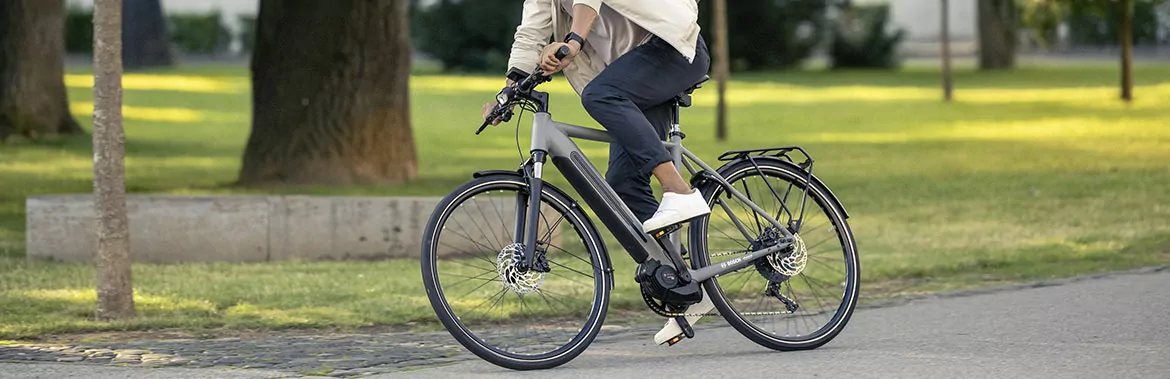
The e-bike revolution leverages the durability of steel
Image for %sThe e-bike revolution leverages the durability of steel
As urban transportation shifts toward more sustainable models, the global e-bike market is set to grow.
Image for %sThe e-bike revolution leverages the durability of steel
As urban transportation shifts toward more sustainable models, the global e-bike market is set to grow.
As more riders choose e-bikes, e-bike purchases are expected to exceed 40 million in 2023 and reach 77 million in 2030. The growing demand for e-bikes is driving manufacturers to launch smart mobility solutions.
E-bikes are no longer new to many people, but their clumsy, cumbersome design and limited range have held them back. Lighter, high-tech models with more powerful batteries and longer range are increasingly meeting the transportation needs of everyone from office commuters to hardcore cycling enthusiasts.
Battery technology is also a key driver of e-bike adoption. If batteries are cheap to produce and charge quickly (on average, three hours), it means you can get a high-quality, easy-to-use e-bike for around $1,000.
The technology that goes into e-bikes has also advanced by leaps and bounds over the past few years. The most advanced e-bikes come with USB ports, GPS technology, anti-theft alarms and tracking features, heads-up displays, and even miniature solar panels that charge while on the move.
The real selling point of the e-bike revolution can be summed up in one word: speed. If an e-bike can easily reach speeds of 30 km/h, it can greatly increase the distance a rider can travel in a shorter period of time.
Of course, this can be achieved while maintaining the health benefits of cycling, as the user still needs to pedal, but with the help of a motor. This also makes cycling a convenient and viable mode of transportation for disabled and elderly riders.
E-bikes combine the durability of steel with high-tech applications to create a whole new riding experience

Consider sustainable mobility
In order to use e-bikes to provide a sustainable solution for urban and rural mobility, e-bikes must strike a balance between reduced weight and the increased mechanical strain that occurs when the bike is driven at speeds exceeding 25 km/h.
This, combined with consumers’ high expectations for reliability and longevity due to the high cost of vehicles, makes material selection a critical factor in e-bike design.
While weight reduction is sought through various means, lightweight, high-performance frames do not require expensive “space-age” materials; innovations in classic materials that are reliable, affordable, and sustainable are the answer.
Now for steel. Steel has been a mainstay in bicycle manufacturing since the days of the penny farthing, before being replaced by more expensive carbon fiber. However, continued innovation in manufacturing has resulted in ultra-light steels like 953, which are even used in professional racing bike frames.
While weight considerations for a typical e-bike are not as demanding as those for a racing bike, where every gram of frame weight must be accounted for, being able to build a lightweight bike means riders can enjoy all the other benefits that steel brings, such as affordability, reliability, and recyclability.
World's first bicycle ride took place 200 years ago
From "a means of transportation" to "a popular sport", young people are driving the revival of cycling.