How to choose a MTB
2025-03-23

When choosing a mountain bike (MTB), several key aspects need to be taken into account to ensure that you get a bike that suits your riding needs and preferences. Here are the main considerations:
- Frame Material
- Aluminum: It's a popular choice due to its relatively low cost, light weight, and good durability. It's suitable for various riding styles and is easy to maintain.
- Carbon Fiber: This material offers an excellent strength - to - weight ratio, making the bike very light and stiff. It provides good shock absorption, enhancing the riding experience, but it comes at a higher price.
- Titanium: Titanium frames are known for their durability, corrosion resistance, and unique ride quality. They are lightweight yet strong, but they are quite expensive.
- Frame Size
- Getting the right frame size is crucial for comfort and control. Measure your inseam and refer to the manufacturer's size chart. Generally, mountain bikes come in sizes ranging from small to extra - large. A proper - fitting frame should allow you to stand over the bike with a small gap between you and the top tube for safety.
- Suspension
- Front Suspension: This is essential for absorbing bumps and providing better traction on rough terrains. Look for forks with adjustable travel (the amount the fork compresses), rebound (the speed at which the fork extends after compression), and compression damping (controls the firmness of the fork under different loads). The travel range can vary from 80mm to 150mm or more, depending on the type of riding.
- Rear Suspension (for full - suspension bikes): It helps in maintaining rear - wheel contact with the ground, improving traction and stability. Features to consider include adjustable shock settings, different suspension linkages that affect the bike's pedaling efficiency and handling, and the overall travel of the rear suspension, which typically ranges from 100mm to 150mm for most trail - riding bikes.
- Groupset
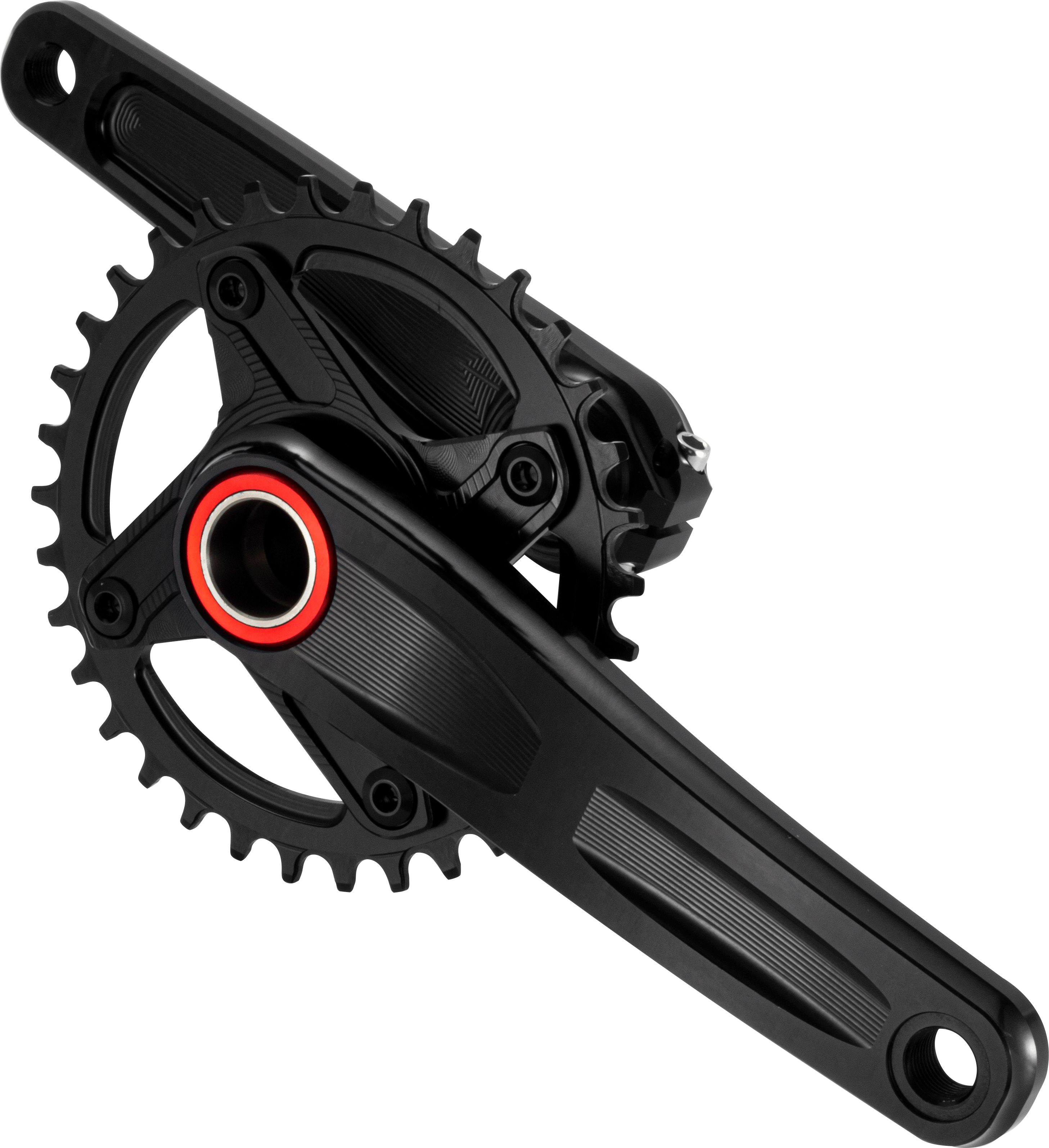
- The groupset includes the drivetrain (chain, gears, and crankset), shifters, and brakes.
- Drivetrain: Look for a wide range of gears to handle different terrains and slopes. Higher - end drivetrains offer smoother shifting and better durability. Brands like Shimano, SRAM, and Campagnolo are well - known for their quality groupsets.
- Brakes: Powerful brakes are essential for stopping safely on steep descents and rough terrains. Disc brakes are the most common choice for mountain bikes due to their reliable stopping power in all weather conditions. Look for brakes with good modulation (ability to control the braking force precisely) and easy adjustability.
- Wheels and Tires
- Wheels: Mountain bike wheels come in different sizes, with 26 - inch, 27.5 - inch, and 29 - inch being the most common. Smaller wheels are more maneuverable, while larger wheels roll over obstacles more easily. The wheel material and construction should be durable enough to withstand the rigors of off - road riding. Look for wheels with strong rims and quality hubs that offer smooth spinning.
- Tires: Tires play a crucial role in providing traction and stability. Look for tires with wide, aggressive tread patterns for better grip on loose and muddy surfaces. The tire width can also vary, with wider tires offering more stability and cushioning. A tire width of around 2.2 inches to 2.5 inches is common for most mountain bikes.
- Budget
- Set a realistic budget based on your needs and financial situation. Mountain bikes can range from a few hundred dollars for entry - level models to several thousand dollars for high - end, professional - grade bikes. Keep in mind that you may also need to budget for accessories such as a helmet, pedals, shoes, and a bike lock.
- Brand and Model
- Research different brands and models to find one that suits your riding style and preferences. Some popular mountain bike brands include Specialized, Trek, Giant, Santa Cruz, and Yeti. Read reviews, ask for recommendations from other cyclists, and visit local bike shops to test - ride different models. Each brand has its own unique features and design characteristics, so it's important to find a bike that feels right for you.
- Intended Use
- Consider how you will be using the mountain bike. If you plan to do a lot of cross - country racing, you'll want a lighter, more efficient bike with less suspension travel. For downhill riding or freeriding, you'll need a bike with more robust suspension, stronger components, and larger tires to handle the rough terrain and big drops. If you're a beginner or plan to use the bike for general trail riding, a versatile all - mountain bike that can handle a variety of terrains and riding styles would be a good choice.
Bicycle Brake Rotor Disc
How To Choose Your Bicycle Chainring