
Bicycle Crank Maintenance
2025-03-26

Bicycle crank maintenance
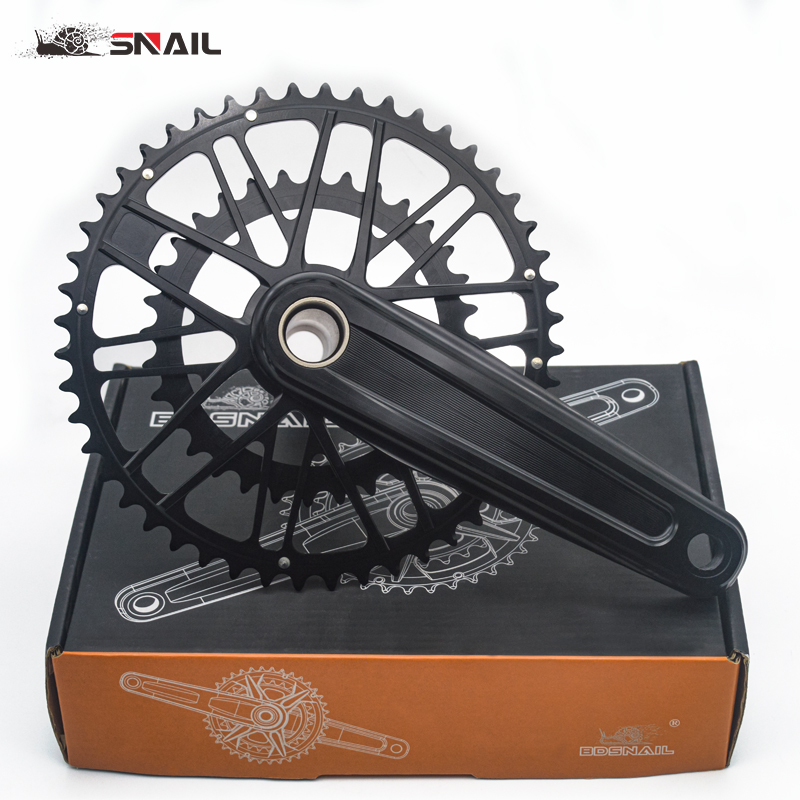
Bicycle cranks are parts that connect the pedals and sprockets, and are crucial to the riding performance of a bicycle.
Here are some maintenance methods for bicycle cranks:
1. Regular cleaning:
After each ride, wipe the cranks with a clean damp cloth to remove dust, dirt and oil on the surface. Pay special attention to cleaning the connection between the cranks and the pedals and sprockets, where dirt easily accumulates.
For stubborn stains, you can use a mild detergent, but avoid using overly strong chemicals to avoid damaging the coating on the crank surface.
2. Check screws and nuts:
Regularly check whether the screws and nuts on the cranks are loose. Use appropriate tools, such as wrenches, to tighten loose screws and nuts to the specified torque value.
When tightening screws and nuts, pay attention to following the correct order and method to ensure that the cranks are firmly installed and evenly stressed.
3. Lubricate joints:
The rotating joints of the cranks need to be lubricated regularly to reduce friction and wear. Common lubrication areas include the middle axis, pedal axle, etc.
Use professional bicycle lubricant, drop the lubricant on the joints, and then turn the crank to evenly distribute the lubricant on all parts. Be careful not to use too much lubricant to avoid absorbing too much dust.
The rotating joints of the cranks need to be lubricated regularly to reduce friction and wear. Common lubrication areas include the middle axis, pedal axle, etc.
Use professional bicycle lubricant, drop the lubricant on the joints, and then turn the crank to evenly distribute the lubricant on all parts. Be careful not to use too much lubricant to avoid absorbing too much dust.
4. Check the wear:
Check the wear of the crank regularly, especially the connection between the crank arm and the sprocket and pedal. If obvious wear, deformation or cracks are found, the crank or related parts should be replaced in time to ensure riding safety.
For cranks that have been used for a long time, you can use tools such as calipers to measure the dimensions of key parts and compare them with the original specifications to determine the degree of wear.
5. Avoid excessive weight:
Try to avoid letting the bicycle bear a weight that exceeds its designed load to avoid additional pressure and damage to parts such as the crank.
During riding, also pay attention to avoid violent impacts and collisions, such as jumping from a high place or hitting obstacles.
6. Store the bicycle correctly:
When the bicycle is not used for a long time, it should be stored in a dry, ventilated place to avoid humid and corrosive environments.
The bicycle can be hung up to prevent parts such as the crank from being affected by ground moisture, and to prevent the crank from unnecessary extrusion and deformation.
Introduction to Recumbent Bicycles
Cycling together: Enjoying a carefree time with your best friends