
Bike crankset: definition, types and how to choose
Bike crankset: definition, types and how to choose
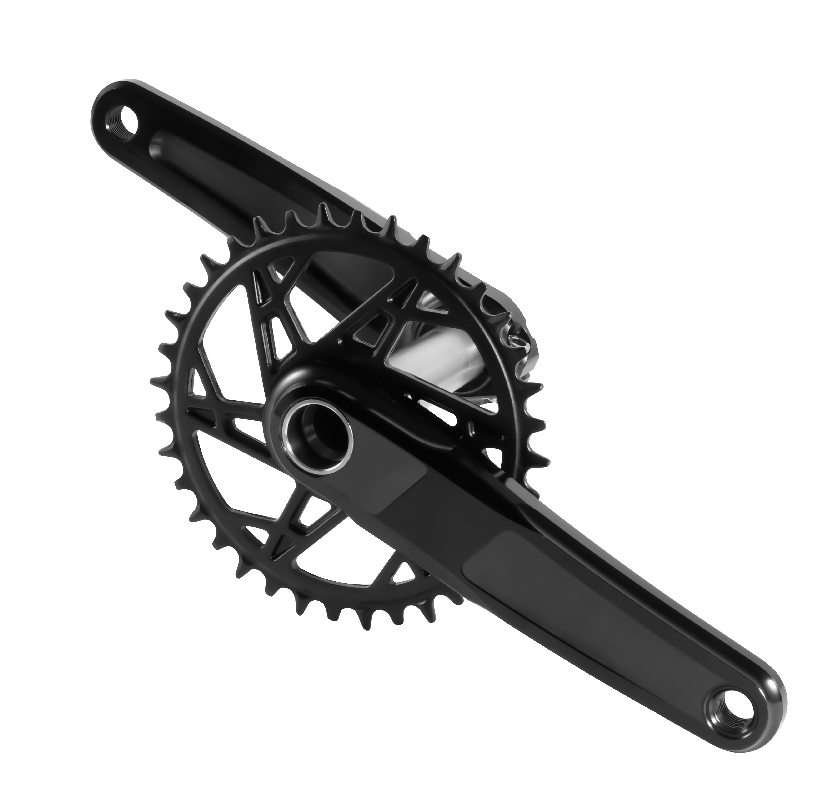
The bike crankset is a fundamental component of a bicycle’s drivetrain, responsible for converting the rider’s pedaling power into rotational force that drives the chain and rear wheel. Consisting of crank arms, chainrings, and a spindle that connects to the bottom bracket, cranksets have evolved from early cottered steel designs in the late 19th century to modern hollow-forged aluminum, carbon fiber, and titanium constructions, offering improved strength, stiffness, and weight efficiency. Standard crankset configurations include 1x (single chainring), 2x (double chainring), and 3x (triple chainring) setups, with chainring sizes ranging from 28T to 55T+, depending on the cycling discipline. Whether for road racing, mountain biking, gravel riding, or commuting, choosing the right crankset impacts cadence, power transfer, and climbing efficiency, making it a crucial decision for cyclists seeking optimal performance.
This article explores the bike crankset, its definition, different types, and key factors to consider when choosing one, helping cyclists understand how crank length, chainring configuration, and material selection impact pedaling efficiency, power transfer, and overall riding performance.
What is a crank on a bike?
A crank on a bike is a key component of the crankset (or chainset), consisting of two crank arms that connect the pedals to the bottom bracket spindle, converting the rider’s pedaling force into rotational motion to drive the chain and propel the bike forward. The modern crankset design evolved from early cottered cranks in the late 19th century, with brands like Stronglight (France) and Campagnolo (Italy) pioneering aluminum cranksets in the mid-20th century, later followed by Shimano (Japan) introducing Hollowtech technology for increased stiffness and weight reduction. Today, cranks are made from forged aluminum, carbon fiber, or titanium, with varying lengths (typically 165mm to 175mm) to optimize cadence, power transfer, and rider biomechanics. In casual biking, the crank provides comfortable pedaling efficiency, while in professional racing, advanced crankset technology ensures maximum stiffness, aerodynamics, and power output for high-speed performance in road cycling, mountain biking, and time trials.
How does a bike crankset work?
A bike crankset works by converting the rider’s pedaling force into rotational motion, transferring torque through the crank arms to the chainrings, which then drive the chain to rotate the rear wheel and propel the bike forward. As the rider applies force to the pedals, the crank arms rotate around the bottom bracket spindle, engaging the chainrings, which mesh with the chain to pull the cassette at the rear wheel, generating forward momentum. The mechanical advantage (gear ratio) is determined by the chainring and cassette combination, affecting cadence, acceleration, and climbing efficiency. In conjunction with derailleurs, the crankset enables smooth gear shifting, allowing cyclists to adjust resistance based on terrain, ensuring optimal power transfer, efficiency, and control in both casual riding and competitive cycling.
What is a crankset on a bike?
A crankset on a bike is the drivetrain component that consists of crank arms, chainrings, and a spindle, converting pedaling force into rotational motion to drive the chain and power the bike forward.
How much power do bikes lose from the crank to the wheels?
Bike drivetrains lose approximately 2-5% of power from the crank to the wheels, depending on chain efficiency, drivetrain cleanliness, gear selection, and component quality. Power loss occurs due to friction in the chain links, chainrings, cassette, jockey wheels, and bottom bracket bearings, with a well-lubricated and properly aligned drivetrain minimizing energy loss to around 2%, while a dirty or worn drivetrain can increase losses up to 5% or more. High-performance systems, such as ceramic bottom brackets and low-friction chains, help reduce energy loss, making power transfer more efficient, especially in competitive cycling.
What are the bike crank materials?
The bike crank materials include aluminum, titanium, and carbon fiber, each chosen for its balance of weight, strength, stiffness, and cost to optimize pedaling efficiency and durability across different cycling disciplines.
- Aluminum: The most common crank material, offering an excellent balance of lightweight construction, affordability, and stiffness, making it ideal for road, gravel, and mountain bikes, with brands like Shimano and SRAM using forged aluminum for durability.
- Titanium: Known for its exceptional strength-to-weight ratio and corrosion resistance, titanium cranks are lighter than aluminum but more expensive, providing high-end performance for touring, endurance, and premium road bike cranksets.
- Carbon Fiber: The lightest and stiffest option, carbon cranks are engineered for maximum power transfer, vibration dampening, and aerodynamic efficiency, making them the preferred choice for high-performance road racing, time trials, and elite mountain biking, with brands like Campagnolo, SRAM Red, and Shimano Dura-Ace featuring carbon crank arms.
Bike crankset diagram
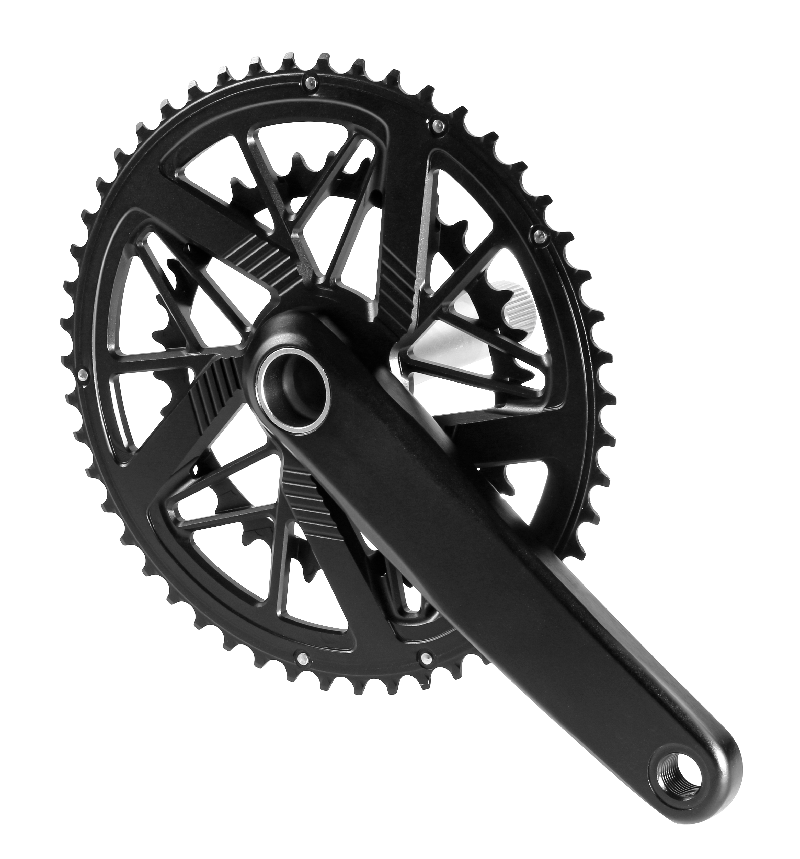
Bike crankset diagrams are essential visual tools that illustrate the various components of a crankset, including the crank arms, chainrings, bottom bracket spindle, and mounting interface. These diagrams help cyclists understand the mechanical structure, compatibility with different bottom bracket standards, and the relationship between the crankset and other drivetrain parts. For those upgrading, maintaining, or replacing cranksets, a clear diagram provides valuable insight into how each part connects, ensuring proper installation and optimal performance across different cycling disciplines.
What parts are in a bike's crankset?
A bike's crankset consists of chainrings, crank arms, a spindle, a bottom bracket, a crank bolt, a crank nut, and a spider, all working together to transfer pedaling power to the drivetrain efficiently.
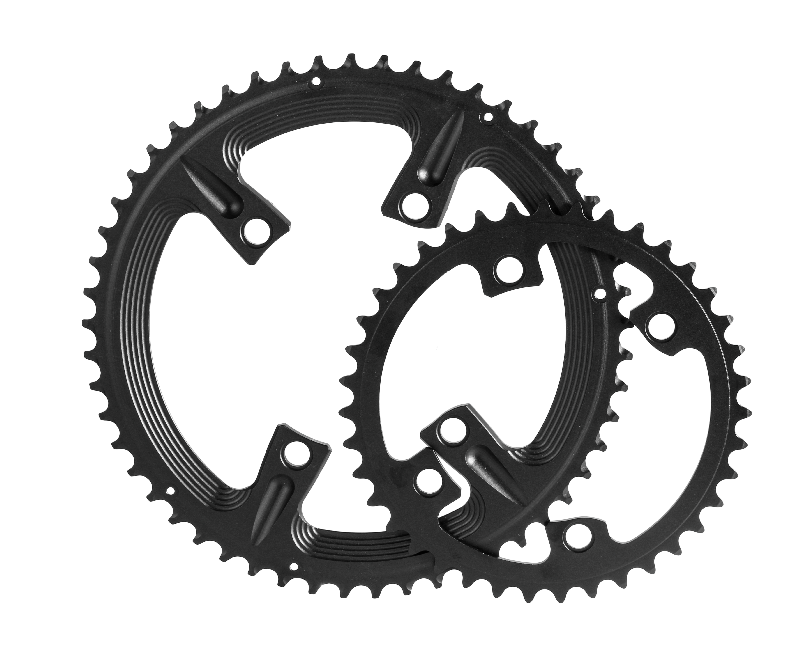
- Chainrings: The toothed rings that engage with the chain, determining the gear ratio and affecting cadence, speed, and climbing efficiency.
- Crank Arms: The levers that connect the pedals to the spindle, transferring pedaling force to the chainrings and influencing leverage and rider biomechanics.
- Spindle: The central axle that connects the crank arms through the bottom bracket, ensuring smooth rotation and structural integrity.
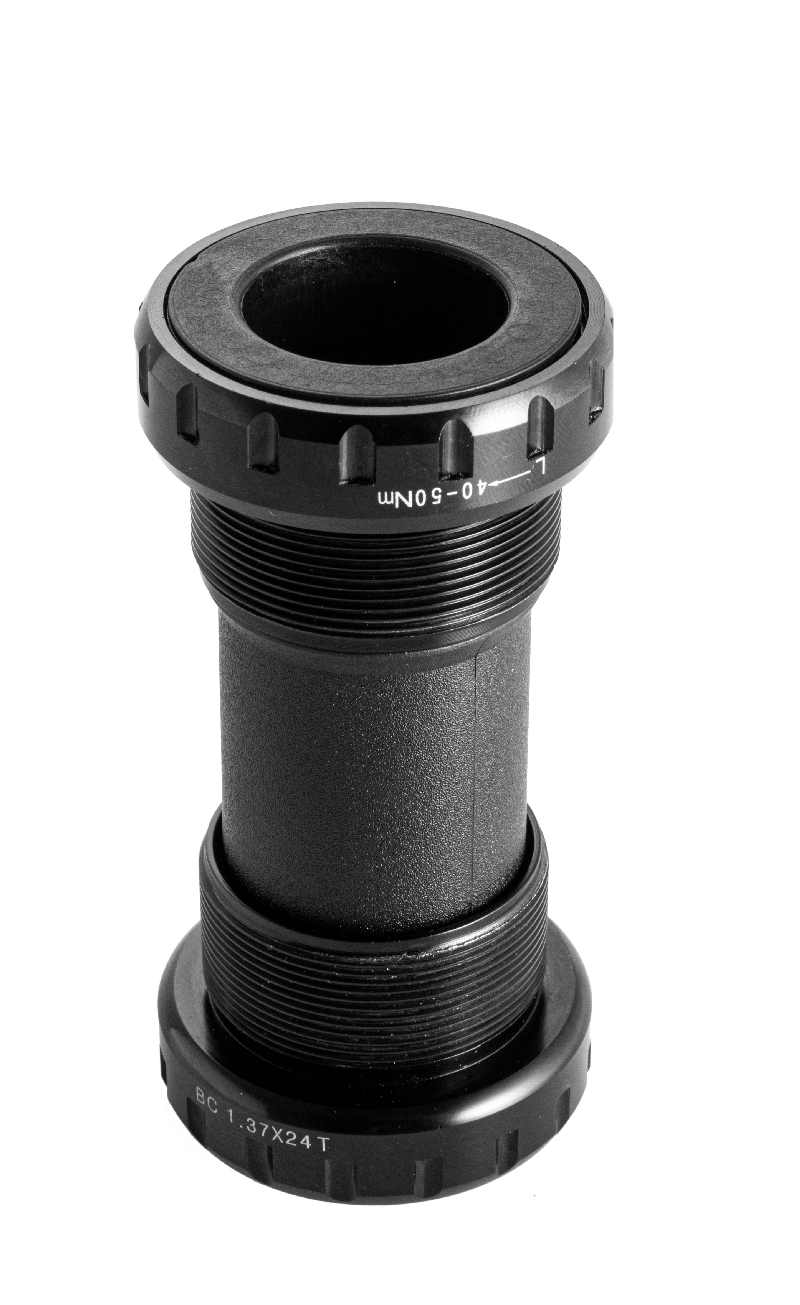
- Bottom Bracket: The bearing system housed inside the bike frame, allows the crankset to rotate efficiently with minimal friction.
- Crank Bolt: The fastening bolt that secures the crank arms to the spindle, preventing movement and maintaining a rigid connection.
- Crank Nut: A securing component used in some crank designs to provide additional tightening force, ensuring a firm and stable interface.
- Spider: The arm-like structure that connects the chainrings to the crank arms, commonly found in modular and traditional crankset designs, allowing for interchangeable chainrings.
What is the difference between a bike crank and a crankset?
The difference between a bike crank and a crankset is that the crank refers specifically to the individual crank arms that connect the pedals to the bottom bracket spindle, while the crankset includes the entire assembly, consisting of crank arms, chainrings, a spindle, and sometimes a spider. This distinction exists because the crank arms alone do not engage with the chain or drivetrain, whereas the crankset functions as a complete power-transfer system, allowing the rider to convert pedaling force into rotational energy that drives the bike forward.
Where is the crank axle on a bike?
The crank axle, also known as the spindle, is located inside the bottom bracket shell of the bike frame, connecting the left and right crank arms through the bottom bracket bearings. It serves as the central rotating axis for the crankset, allowing smooth pedaling motion by reducing friction and distributing force evenly across the drivetrain. Depending on the crankset type, the spindle can be integrated into the crank arms (as seen in 2-piece or 3-piece cranksets like Shimano Hollowtech II and SRAM DUB) or separate in traditional square-taper or ISIS bottom brackets.
Bike crank length
Bike crank length is a crucial factor in cycling performance, biomechanics, and injury prevention, as it directly affects pedaling efficiency, cadence, power output, and rider comfort. The most common crank lengths range from 165mm to 175mm, with shorter cranks (165mm-170mm) benefiting riders with shorter inseams, high-cadence pedaling, and knee pain prevention, while longer cranks (172.5mm-175mm) provide more leverage and torque, making them ideal for powerful sprints and climbing. Choosing the correct crank length ensures optimal pedaling mechanics, reduces strain on the knees and hips, and maximizes power transfer, making it essential for both casual riders and competitive cyclists.
How To Choose Your Mountain Bike Cranks?
What Is a Crank Arm and Why It Matters on Your Bike