A bicycle anatomy guide
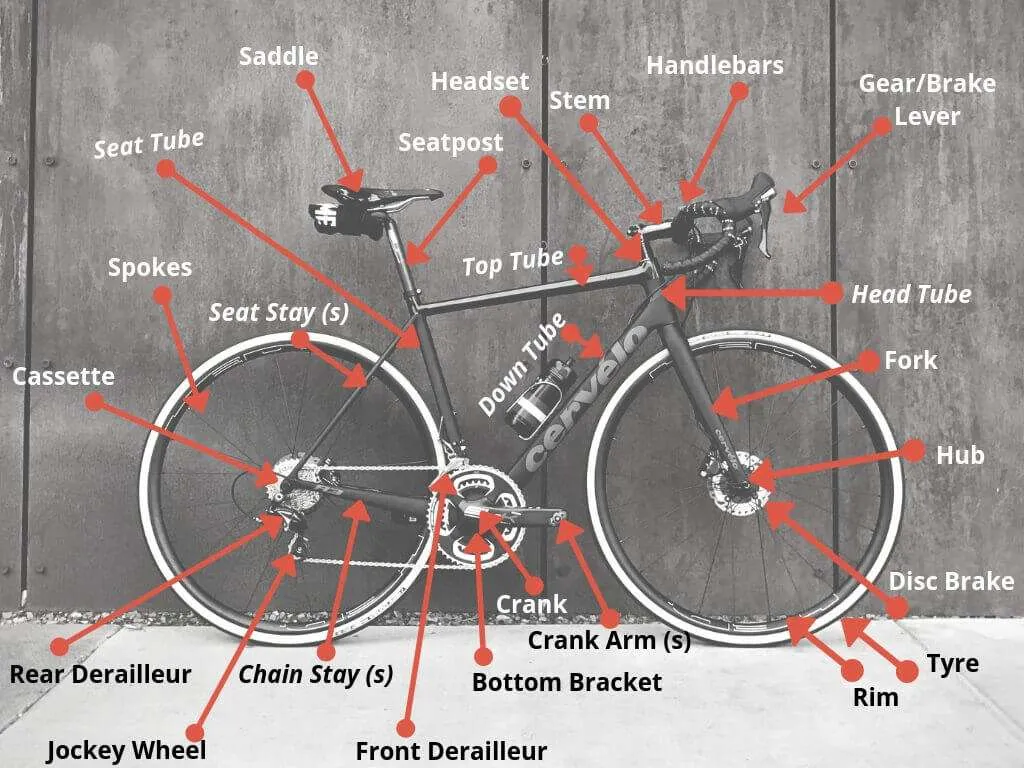
A bicycle anatomy guide
Bicycle anatomy can be both incredibly simple or frustratingly complicated. At a very basic level, a bicycle is two wheels with a frame, pedals and handlebars. Turn the pedals, the wheels go round and hey presto.
Sometimes though, there is a need to go much deeper into the detail. For example, if you need to explain to a mechanic what is wrong with the bike, or if you need to describe the bike to the authorities should it, or parts from it, ever be stolen.
If you’re not sure where the bottom bracket is, or what a derailleur is, then our handy bicycle anatomy guide for beginners is for you.
It’s a very good idea when you buy a new or second-hand bike to keep a record of exactly what parts (and the make and model of each part) are on the bike and any unique characteristics (such as a two-inch scratch on the down tube – do take photos).
Most online listings for new bikes have all the parts (including the all-important brand and type/model) conveniently listed. If you change/upgrade a part, do update your records and any online bike registration database records (such as with immobilise.com that the police have access to should a stolen bike be recovered).
Fork
Head Tube
Top Tube
Down Tube
Bottom Bracket
Seat Tube
Chain Stay
Seat Stay
Handlebars
Seatpost
Saddle
Brake/Gear Levers
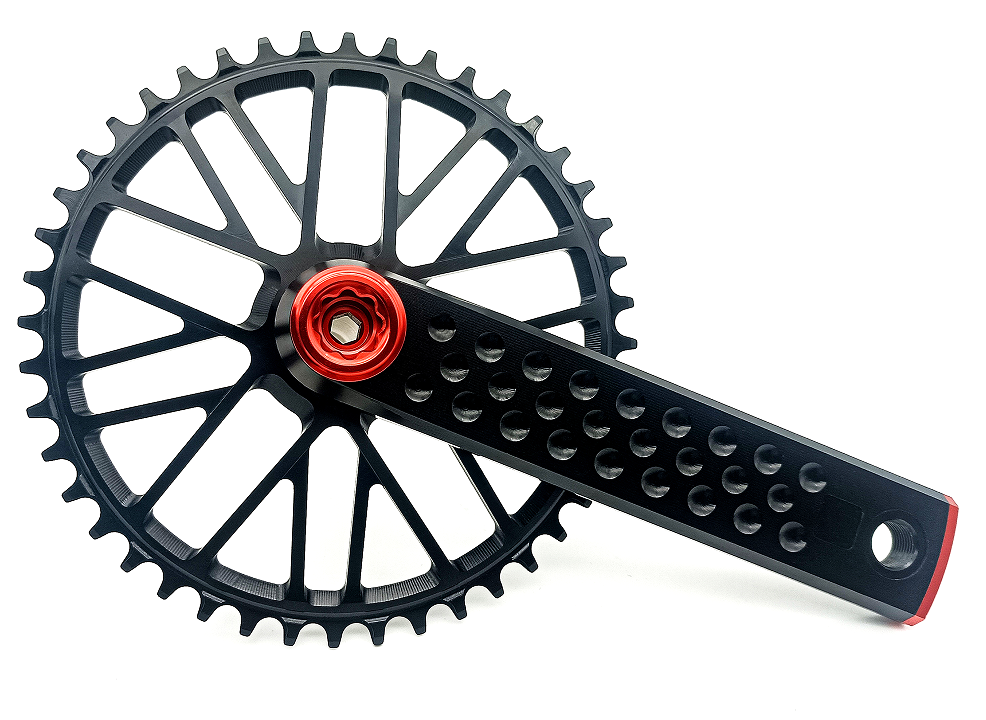
Chainset
Cranks
These are attached to the chainset and are the ‘arms’ to which the pedals are attached.
Chain
Front Derailleur
Cassette
Rear Derailleur
Jockey Wheels
Spokes
Quick Release Skewer
Wheel Hub
Stem
Headset
Brakes
Brake Pads
Disc Rotor
Rear Shock
THE BICYCLE AND THE FUTURE OF MOBILITY
A WHOLE NEW RIDE: THREE-WHEEL BICYCLES